Bogotá, Colombia Documented Transmission
Bogotá: The New Boom Bap Capital
Decades of radio, cassettes, neighborhood spaces, festivals and independent production kept foundational hip-hop languages moving through Bogotá. Today's artists are still deciding what to do with them.
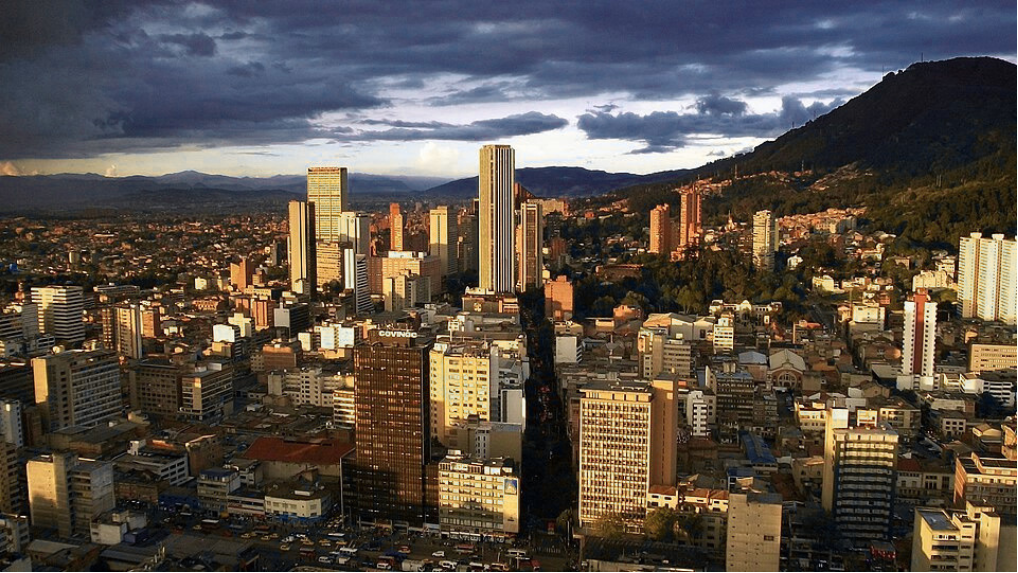
Spend some time digging through rap coming out of Bogotá and boom bap is hard to miss.
M.A.D. Fellaz work with a sound Hip Hop al Parque itself connects to classic boom bap and '90s rap. H-ico El Señor del Funk still builds with samples, funk, soul, machines and live loops. Spektra de la Rima came up listening to rap on cassettes before eventually pushing into different structures and sounds.
But Bogotá isn't a city stuck trying to recreate the '90s.
Hip-hop has simply been here long enough to develop its own memory.
The music spread however it could
One of the better-documented early moments came in 1984, when members of what would become La Etnnia recalled seeing Beat Street at Teatro Embajador. They started as breakdancers. By the late '80s and early '90s, that influence was turning into something local: writing about Las Cruces and Bogotá, improvising over instrumentals and eventually recording with their own equipment.
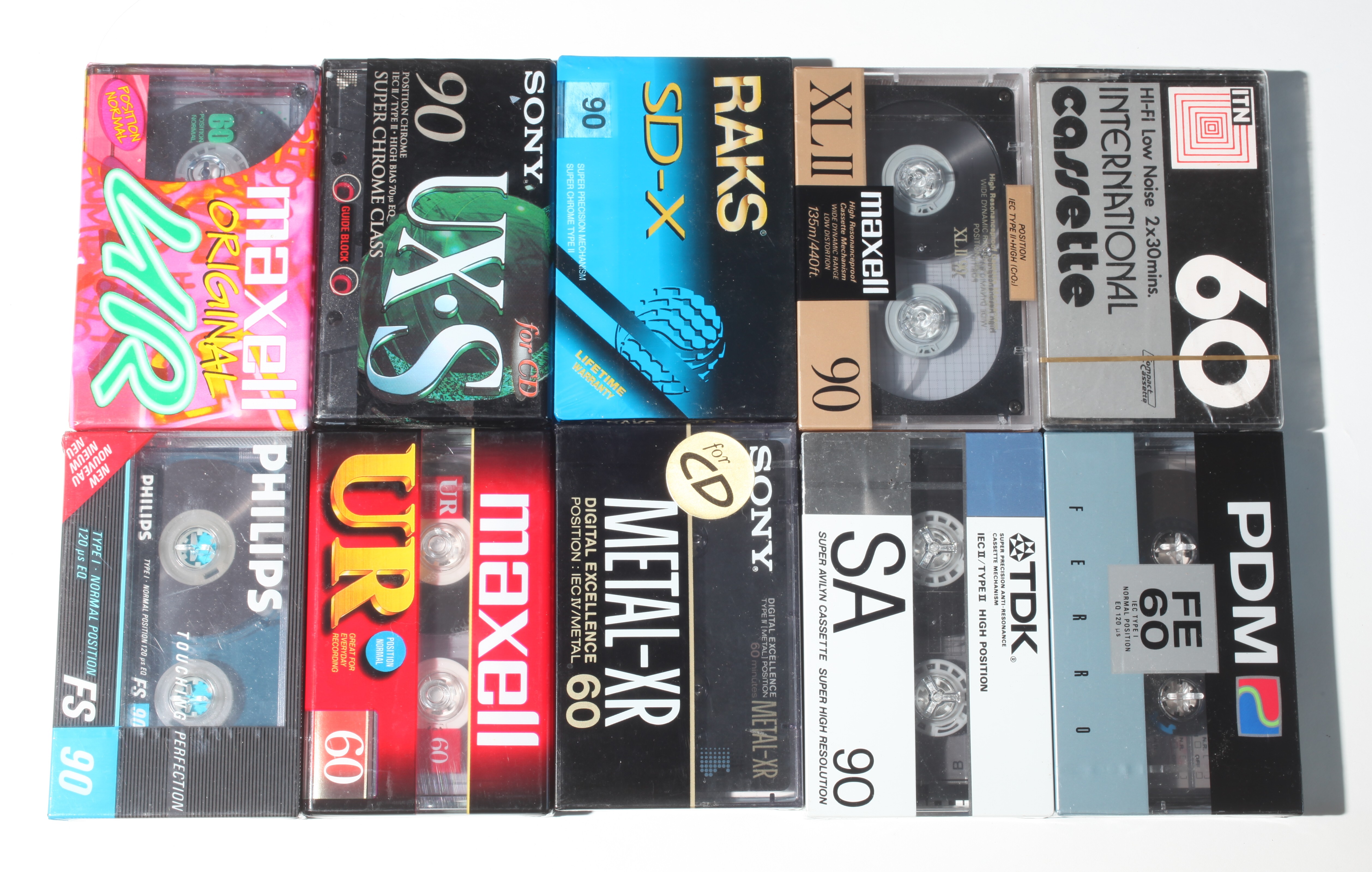
By the mid-'90s, Bogotá's public youth frequency 99.1 had become another route into the culture. Reino Clandestino was active by 1996, broadcasting hip-hop to listeners across the city. Juan Pablo Barragán has recalled recording the program onto cassettes in Usme and listening to those tapes with other young people. Bogotá rapper Mulato has said hearing the show as a teenager helped inspire him and his cousins to form their first group.
Radio wasn't just introducing people to records. In documented cases, it was helping turn listeners into participants.
.jpg)
Other routes were developing at the same time.
The first Rap a la Torta brought 23 selected Bogotá groups to La Media Torta in July 1996. Over the following years, that festival developed into what Bogotá now knows as Hip Hop al Parque.
Golpe Directo was operating as a hip-hop formation project in Las Cruces by the late '90s, teaching MCing, DJing, breaking and graffiti. Muestras Para No Delinkir later gave young artists coming through that training somewhere to perform.
DJ Fonxz took another route. After working with Reino Clandestino, he opened Universo Zu, built a studio at home and began teaching DJing and production to younger people looking for instruction.
None of those programs or institutions carried Bogotá hip-hop forward on their own. Some disappeared. Others changed. Public support was uneven. But the same basic process kept appearing in different places: somebody encountered the culture, found other people practicing it, learned something and eventually made something of their own.
Bogotá now
You can hear different results of that history across the city today.
Artist / Bogotá
M.A.D. Fellaz
Artist visual / context Instagram · @mad.fellaz
M.A.D. Fellaz come from Bosa. Kiddo Diamond and Billy Colijazz—Billy also working as a beatmaker—make music that official Hip Hop al Parque material places between classic boom bap, '90s rap and contemporary urbano rolo.
The drums can carry history without the music pretending to come from somewhere else.
Artist / Bogotá
H-ico El Señor del Funk
Artist visual / context Instagram · @da_funkylooper
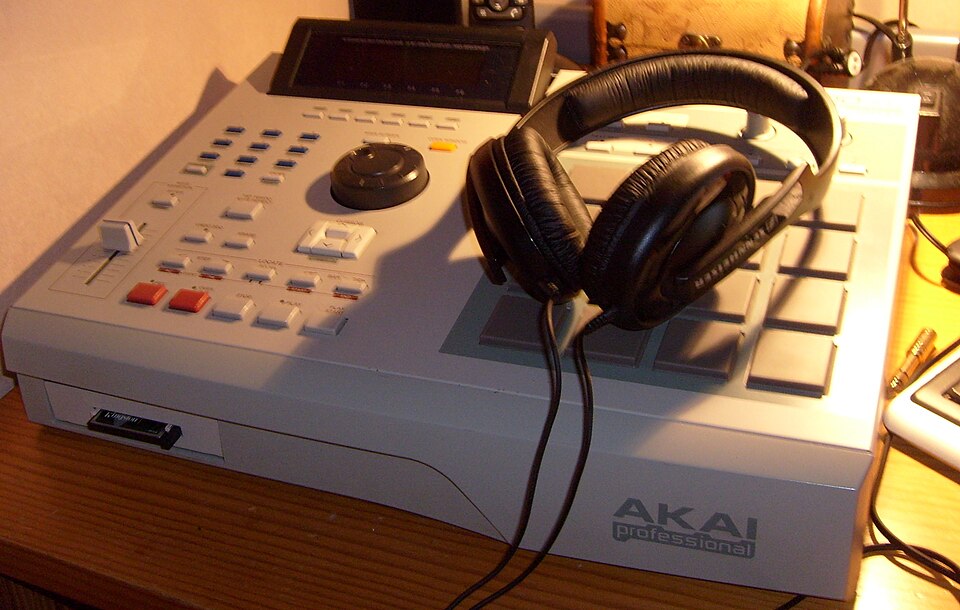
H-ico El Señor del Funk takes the production side further. His Zona Escolar Records catalog documents MPC-based beats, sampling, recording and arrangements done in Bogotá. His work with Los Funk Bullies brings machines and loops into a live-band setup, with funk and soul sitting alongside boom bap.
These aren't museum pieces. They're still production tools.

Artist / Bogotá
La Farmakos
Artist visual / context Instagram · @lafarmakos
La Farmakos came through another part of the city's rap infrastructure. She has described finding a community at La Ollita, on the Bosa/Kennedy border, where she began freestyling and building a local name before moving further into recorded work.
Artist / Bogotá
Dessiree
Artist visual / context Instagram · @dessiree998
Dessiree shows a newer and less institutionally documented side of the network. Her recent catalog moves between English and Spanish and through collaborative releases. She appeared in a 2025 Bogotá-recorded cypher alongside Kei Linch, Faenna, Lil Keren and Adam Walsh, while 2026's SUACHA'SO CYPHER Nº 1 put her on a record with Hanna Hasen, Paloma Dark Black, Dama Verde, Nalu Oficial, Balacera and AngelikDK.
Not everything in a scene moves through a festival, school or cultural institution. Some of it moves artist to artist, verse to verse and session to session.
Artist / Bogotá
Spektra de la Rima
Artist visual / context Instagram · @spektra_de_la_rima
Spektra de la Rima might make the larger point most clearly. She has talked about being introduced to rap through a school friend and then getting cassettes from other rappers. Her path eventually expanded through recording, freestyle and education, and she has worked as both an artist and freestyle judge while participating in public-library rap programming.
She has also talked about once being too rigid about boom bap and traditional structures before freestyle, vocal training and broader musical interests pushed her toward other possibilities.
That matters because cultural continuity isn't the same thing as musical stasis.
The sound stays available
Contemporary Bogotá producer and MC Ruzto has described sampling Latin music, soul, jazz and older records as a process of turning existing material into something new—something that can participate in what Bogotá sounds like.
That's probably the better way to understand why boom bap still feels natural in parts of the city's rap scene.
Bogotá didn't preserve one version of hip-hop untouched. Over decades, different parts of the city developed ways for people to encounter the culture, learn its practices, find collaborators and make their own work. That kept older hip-hop languages available without requiring every generation to use them the same way.
Some artists still build with boom bap. Others stretch it, combine it with something else or leave parts of it behind.
The sound stays available.
What changes is what Bogotá decides to do with it.